Advanced Propeller Systems for Modern Aviation
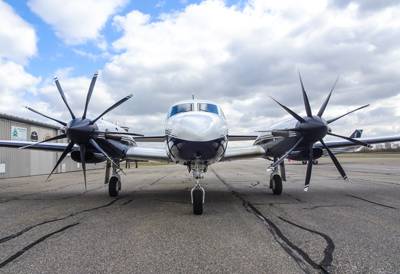
Our propeller systems are designed to deliver exceptional performance, efficiency, and safety across a wide range of aircraft and flight profiles. Combining advanced materials, aerodynamically optimized blade geometry, and decades of engineering expertise, our solutions provide consistent RPM control, reduced vibration, and reliable thrust in demanding operational environments.
Whether hydraulic, electric, reversible, fixed, or ground-adjustable, each system is engineered to meet strict aviation standards and to support smooth, responsive performance from takeoff to landing.
Whether hydraulic, electric, reversible, fixed, or ground-adjustable, each system is engineered to meet strict aviation standards and to support smooth, responsive performance from takeoff to landing.
Fixed pitch propellers
Simple, robust fixed-pitch solutions optimized for dependable everyday performance.
Simple · Robust · Reliable
The EASA and FAA certified fixed pitch natural-composite MT-Propellers are built to the highest standard in the industry from hand-selected multiple laminated German ash wood.
Large diameters are covered by epoxy fiberglass and sealed by a coating of acrylic-polyurethane paint, which is resistant against fuel, oil and other chemical products. Some special vintage designs may have plywood reinforced blades.
Usually the critical section of the blade's leading edge is protected by a bonded on stainless steel erosion sheath, which can be replaced as often as necessary at an overhaul and the inboard section of the leading edge is protected by a self-adhesive PU-strip. Both makes the propeller all weather operable.
More than 8000 of these propellers are in service worldwide on motor gliders, aerobatic aircrafts and vintage airplanes.
The engine power range is from 40 HP to 400 HP and diameters are possible from 120 cm (50 inches) to 250 cm (100 inches).
During the manufacturing steps, constant quality control is applied for all physical dimensions like blade width, blade thickness, blade angle, track and profile. The low density of the material (approx. 0.7 g/cm³) allows a weight of approx. 50 % of the current metal propellers. The polar moment of inertia of the natural-composite propeller is considerably lower compared to metal propellers, which results in a much smoother run.
Because of the high vibration damping characteristics of wood, no RPM restrictions are needed. Blade tip fatigue failures, as they often occur with metal propellers, are unknown.
Large diameters are covered by epoxy fiberglass and sealed by a coating of acrylic-polyurethane paint, which is resistant against fuel, oil and other chemical products. Some special vintage designs may have plywood reinforced blades.
Usually the critical section of the blade's leading edge is protected by a bonded on stainless steel erosion sheath, which can be replaced as often as necessary at an overhaul and the inboard section of the leading edge is protected by a self-adhesive PU-strip. Both makes the propeller all weather operable.
More than 8000 of these propellers are in service worldwide on motor gliders, aerobatic aircrafts and vintage airplanes.
The engine power range is from 40 HP to 400 HP and diameters are possible from 120 cm (50 inches) to 250 cm (100 inches).
During the manufacturing steps, constant quality control is applied for all physical dimensions like blade width, blade thickness, blade angle, track and profile. The low density of the material (approx. 0.7 g/cm³) allows a weight of approx. 50 % of the current metal propellers. The polar moment of inertia of the natural-composite propeller is considerably lower compared to metal propellers, which results in a much smoother run.
Because of the high vibration damping characteristics of wood, no RPM restrictions are needed. Blade tip fatigue failures, as they often occur with metal propellers, are unknown.
Is there already a MT-Propeller STC for your aircraft?
Browse our STC list and check availibility for your aircraft model.
A few examples
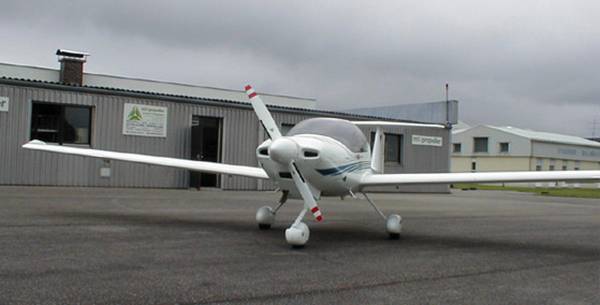
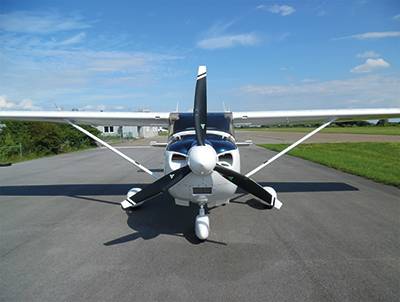
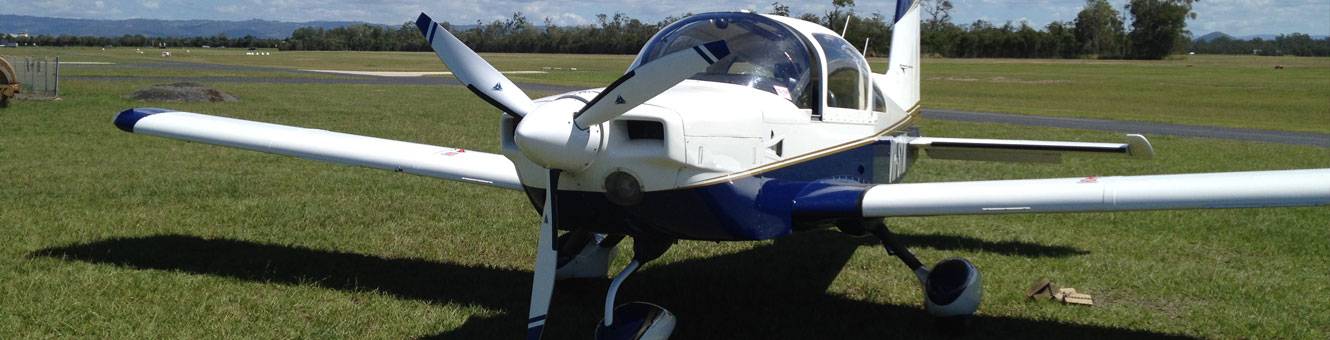
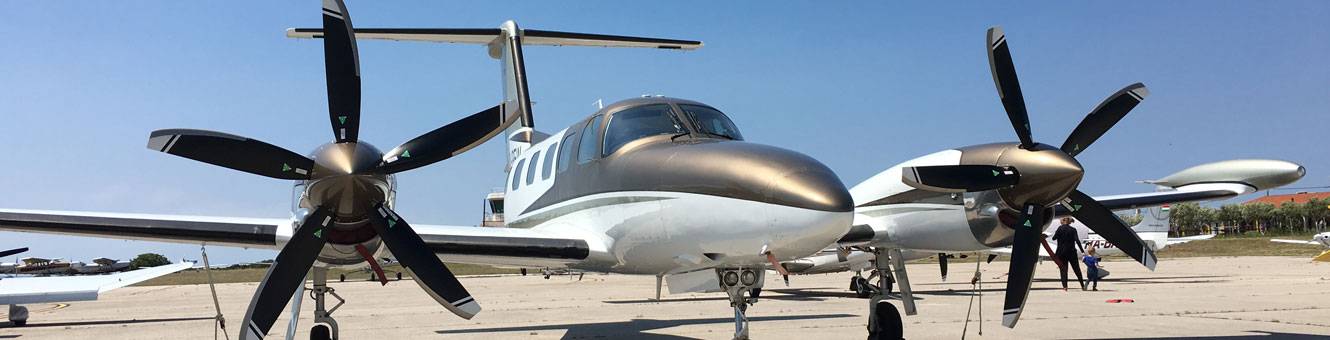
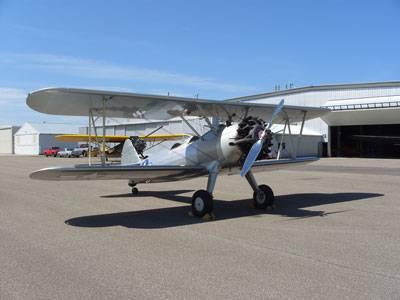
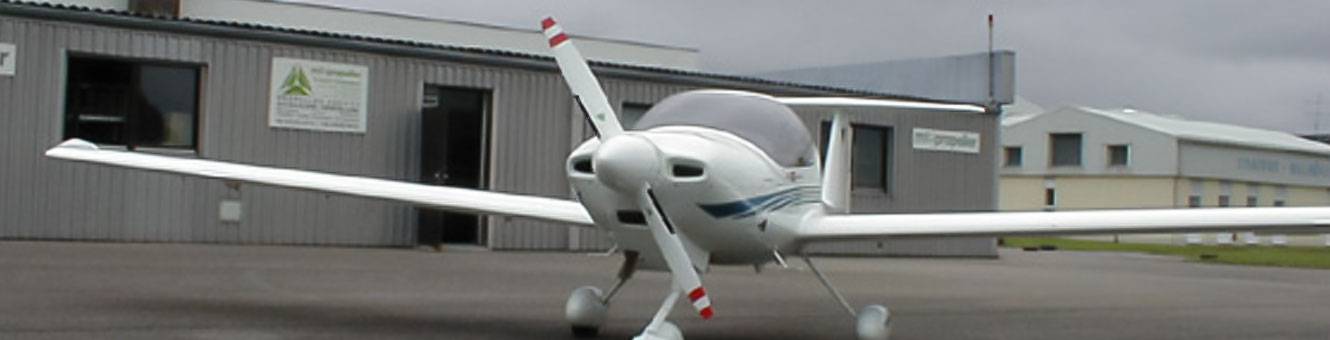
Diamond DA20-C1 with fixed pitch propeller
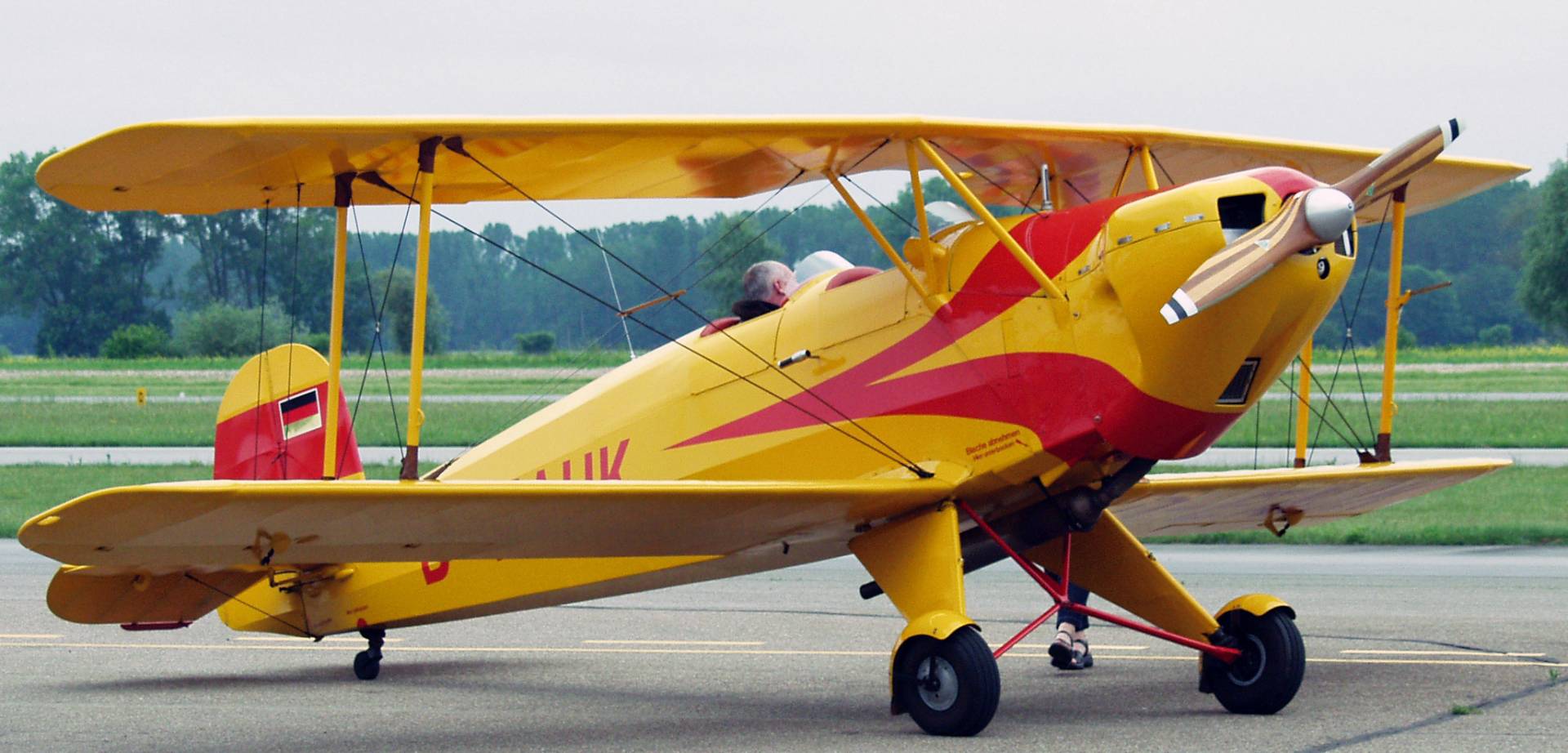
Bücker with fixed pitch propeller
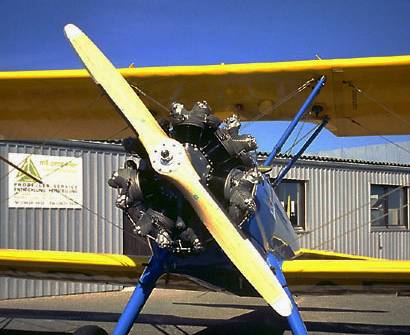
Boing Stearman with fixed pitch propeller
Hydraulic propellers
Precision-controlled hydraulic systems for optimal RPM management in all flight conditions.
Precision · Stability · Smoothness
Electric propellers
Electric governor technology for efficient, lightweight, and responsive RPM control.
Lightweight · Responsive · Efficient
Reversible propellers
Reversible blade pitch for superior control during landing, taxiing, and maneuvering.
Reverse · Control · Versatility
Ground adjustable propellers
Easily adjustable blade pitch on the ground for flexible performance tuning.
Adjustable · Flexible · Tuned


.png)